



Breast Reduction
Breast Reduction in Boston, MA, at Wellesley Plastic Surgery
Many women are unhappy with the size of their breasts.
Fortunately, there are surgical procedures that can help you achieve the look that you desire. If you would like smaller breasts, meet with Dr. Arthur Shektman, a highly qualified Wellesley breast surgeon, to talk about breast reduction surgery as soon as possible.
You may be wondering, “Who qualifies for breast reduction surgery?” Anyone who has large breasts may qualify for reduction surgery. Women who have large breasts may be interested in breast reduction surgery if their breasts interfere with their ability to perform certain tasks. Large breasts tend to cause lower and upper back pain, neck pain, and shoulder pain, which can also motivate women to seek a reduction. Having large breasts can make some women feel insecure, which is another reason why they may decide to have this surgery. Call us at (781) 239-0680 or fill out our online form to learn more.
Understanding Breast Reduction Surgery in Boston, Massachusetts
Breast reduction, medically known as reduction mammaplasty, is one of the most transformative procedures available to women who struggle with overly large breasts. This surgery goes far beyond aesthetic improvement to address chronic physical discomfort, lifestyle limitations, and emotional concerns that many patients have lived with for years.
During the procedure, excess breast tissue, fat, and skin are carefully removed to create smaller, lighter, and more proportionate breasts that align with your body frame. The nipple and areola are repositioned to achieve a natural, youthful contour.
For many women, breast reduction represents not just a physical change but a gateway to renewed confidence, improved health, and the freedom to live more actively. Dr. Shektman works closely with each patient to understand their unique concerns and goals, ensuring that the surgical plan addresses both functional needs and aesthetic desires.
What Are the Benefits of Breast Reduction?
Women who undergo breast reduction often describe the results as life-changing, and the benefits extend across physical, emotional, and practical dimensions of daily life.
Physical Relief and Health Improvements
Physically, patients experience dramatic relief from chronic pain that has affected their neck, shoulders, upper back, and spine for years. The weight of large breasts creates constant strain on the musculoskeletal system, leading to postural problems, headaches, and even nerve compression.
After surgery, many women report that pain they once considered normal simply disappears. Skin irritation, rashes, and infections that develop in the breast folds also resolve once the excess tissue is removed.
Enhanced Activity and Lifestyle
Beyond pain relief, breast reduction opens up new possibilities for physical activity. Exercise becomes easier and more comfortable, whether you’re running, practicing yoga, or simply playing with your children.
Clothing fits better, bra shopping becomes less frustrating, and you no longer need to select outfits based solely on what accommodates your breast size.
Emotional and Psychological Benefits
The emotional benefits are equally profound. Patients frequently describe:
- Feeling more confident in their appearance
- Less self-consciousness in social situations
- Liberation from unwanted attention that large breasts can attract
- Improved body image and self-esteem
- Greater comfort in intimate relationships
This combination of physical relief and emotional freedom is what makes breast reduction one of the highest satisfaction procedures in plastic surgery.
What Can You Expect During Your Consultation with Dr. Shektman?
Your journey toward breast reduction begins with a comprehensive consultation where Dr. Shektman takes time to understand your concerns, evaluate your anatomy, and discuss realistic outcomes.
What Happens During Your Visit
During this appointment, you’ll have the opportunity to explain what specific problems your breast size causes, whether that’s back pain, difficulty exercising, skin irritation, or emotional distress. Dr. Shektman will perform a thorough examination of your breast size, shape, skin quality, and nipple position to determine the most appropriate surgical approach for your body.
He’ll measure your current dimensions and discuss what size reduction would provide the best balance between symptom relief and aesthetic proportion. Many patients wonder about cup sizes, and Dr. Shektman will help you understand what’s achievable and realistic based on your frame and tissue characteristics.
Medical History and Planning
The consultation also covers your medical history, including any previous breast surgeries, family history of breast cancer, and current medications. If you’re considering breast reduction for medical reasons, such as documented chronic pain or skin conditions, the consultation is also the time to discuss insurance coverage possibilities.
Dr. Shektman will show you before and after photos of previous patients with similar anatomy so you can visualize potential outcomes. You’ll leave the consultation with a clear understanding of the surgical plan, expected recovery timeline, and next steps toward scheduling your procedure.
What Surgical Technique Does Dr. Shektman Use?
Breast reduction is not a one-size-fits-all procedure, and the specific technique Dr. Shektman uses depends on your individual anatomy, the degree of reduction needed, and your aesthetic goals.
The Procedure Overview
The surgery is typically performed under general anesthesia and takes approximately 3 to 4 hours. The specific incision pattern depends on how much tissue needs to be removed and your breast shape.
- Vertical (lollipop) technique: For patients requiring moderate reduction, this approach uses an incision around the areola and vertically down to the breast crease. It results in less scarring while still achieving significant size reduction and lifting.
- Anchor (Inverted-T) technique: Women with very large breasts or substantial sagging typically benefit from this method, which adds a horizontal incision along the breast crease. This allows for maximum tissue removal and reshaping. While this creates more visible scarring initially, the scars fade significantly over time and are easily concealed under clothing and swimwear.
- Liposuction-assisted reduction: In select cases where the breast is primarily fatty rather than glandular, liposuction-assisted reduction may be an option, though this is less common.
Breast Reduction Surgery
Anesthesia will be administered to the patient prior to the surgery. Then, the Dr. Shektman will make an incision in the patient’s breast and reposition the nipple. The size of the areola may also be reduced by cutting around its perimeter. Next, Dr. Shektman will remove breast tissue to achieve the size desired by the patient. The tissue that remains will be reshaped to ensure the breast still looks natural. Finally, Dr. Shektman will use stitches and sutures to support the new shape of the breasts and close the incisions.
Where Are Breast Reduction Scars Located?
There are several different types of incisions that can be made during this procedure. The first is a donut incision, which is made around the areola. There is also the keyhole incision, which is made around the areola and in a vertical line from the areola to the crease of the breast.
Finally, there is the anchor incision, which consists of three separate cuts. The incisions are made around the areola, in a vertical line from the areola to the breast crease, and along the breast crease. The type of incision that Dr. Shektman chooses will depend on the size and shape of your breasts.
Will You Experience Changes in Function and Sensation?
Regardless of technique, Dr. Shektman’s priority is preserving nipple sensation and maintaining the ability to breastfeed when possible, though some patients may experience changes in sensation or milk production.
The removed tissue is carefully measured to ensure symmetry between both breasts, and the nipple-areola complex is repositioned at a higher, more youthful position on the breast mound. Internal sutures create the new breast shape, while external sutures close the incisions with meticulous attention to minimizing visible scarring.
What Can You Expect During Recovery?
Recovery from breast reduction follows a predictable timeline, though each patient heals at her own pace
The First Week
Immediately after surgery, your breasts will be wrapped in surgical dressings or placed in a supportive surgical bra. Most patients go home the same day with detailed care instructions and prescriptions for pain management and antibiotics.
The first week is focused on rest and limited movement. You’ll need to avoid lifting, reaching, or any strenuous activity. Most patients describe the discomfort as manageable with prescribed medication, comparing it to muscle soreness rather than sharp pain. Swelling and bruising are normal during this phase and will gradually diminish.
You’ll return to Dr. Shektman’s office within the first week for a follow-up appointment to check your incisions and remove any surgical drains, if they were placed.
Weeks 2 to 6
By the second week, many patients feel well enough to return to desk work and light daily activities, though you’ll still need to avoid heavy lifting and vigorous exercise. The surgical bra or compression garment should be worn continuously during this healing phase to support the new breast shape and to minimize swelling.
Around weeks 4 to 6, you’ll receive clearance to gradually resume more normal activities, including cardiovascular exercise, though high-impact activities and upper body strength training typically need to wait until the two-month mark.
Long-Term Healing
Your incisions will continue to heal and fade over the following months, and most scars are red or pink initially but gradually lighten to thin white lines over 6 to 12 months. Dr. Shektman provides specific scar care instructions, including silicone sheeting or topical treatments, to optimize healing.
Final breast shape continues to settle and refine over 3 to 6 months as residual swelling resolves and the tissues fully adapt to their new contour.
When Will You See Results?
- Results are visible immediately. Breasts are smaller, lighter, and higher, often relieving back pain and skin irritation.
- As swelling subsides, breasts settle into their true shape and size. Most patients can wear standard bras, enjoy comfortable exercise, and have more clothing options.
- Scars are hidden under bras or swimsuits and fade over time with proper care.
- Results are permanent, though breasts change naturally with age. Over 95% of patients are satisfied and wish they’d done it sooner.
If you’re ready to explore whether breast reduction is right for you, schedule a consultation with Dr. Shektman to discuss your options and take the first step toward a more comfortable, confident life.
Why Choose Dr. Shektman For Your Surgery?
The first question that may come to mind is where to get or where to go for breast reduction surgery. It’s imperative that you find a plastic surgeon who is licensed to practice medicine in the state of Massachusetts and who is certified by the American Board of Plastic Surgery.
Care and Compassion
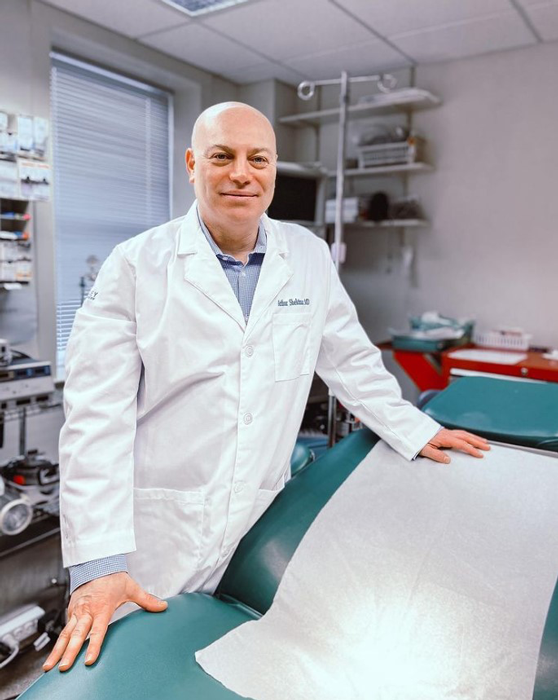
Dr. Arthur Shektman is a board-certified plastic surgeon, and is recognized as an expert in the field of cosmetic surgery. With over 20+ years of experience and nearly 3,500+ happy patients.
At Wellesley Cosmetic Surgery, our mission has always been to improve our patients’ lives through the use of cutting-edge, innovative plastic surgery techniques in a safe and secure environment.
Contact Our Wellesley, MA Plastic Surgeon To Discuss Breast Lift Surgery Today
Are you interested in breast reduction surgery? Dr. Arthur Shektman has over 20 years of experience and is known as one of the top plastic surgeons in the state. Dr. Shektman also serves patients who are interested in breast augmentation, breast lift with implants, liposuction, and tummy tucks.
Please call (781) 239-0680 or complete our online form to talk to a member of our team and schedule an appointment. We will be happy to answer all of your questions related to the price, process, and recovery time during this initial consultation.
Boston Breast Reduction FAQs
Anyone with excessively large breasts may qualify, especially if your breast size interferes with your daily activities and causes physical discomfort
Besides achieving smaller, more proportionate breasts, the procedure can boost your self-confidence and alleviate neck, back, and shoulder pain associated with large breasts.
Once your anesthesia has taken effect, Dr. Shektman will make careful incisions to reposition your nipples and areolas, remove excess breast tissue, reshape what remains, and close the incisions with sutures to support your new breast shape.
Scar placement depends on the incision pattern Dr. Shektman uses.
- Donut incisions are around each areola.
- Keyhole incisions are around the areolas and vertically to the breast creases.
- Anchor incisions combine donut and keyhole with a third incision along each breast crease.
Dr. Shektman is a board-certified plastic surgeon with over 20 years of practice and many satisfied patients. He is proficient in breast surgeries and always takes a safe, innovative, and compassionate approach.
Besides breast reduction, Dr. Shektman offers a range of body contouring options, including breast augmentation, lift with implants, liposuction, and tummy tucks.
Your health insurance may pay for some or all of this surgery if it’s medically necessary to relieve chronic back, neck, or shoulder pain. However, coverage is unlikely if the procedure is purely cosmetic. We can discuss financing options and expected costs during your initial consultation to ensure transparency.
Recovery timelines vary, but you can expect to take it relatively easy in the first few days after surgery. Dr. Shektman will provide comprehensive postoperative care instructions to ensure smooth healing. Please attend all your scheduled follow-up appointments to allow Dr. Shektman to monitor your progress.
Many insurance plans cover breast reduction if it’s medically necessary for chronic pain, skin issues, or other symptoms. Requirements differ by provider but usually include documentation of conservative treatments (i.e., physical therapy, specialty bras, weight management) and minimum tissue removal based on body measurements.
Dr. Shektman’s office helps you gather records and submit pre-authorization. If insurance doesn’t cover the procedure, financing options are available.
The amount varies based on your size, proportions, and goals. Some patients have 500 to 800 grams removed per breast, while others may have 1,500 grams or more.
Dr. Shektman aims for breasts that are proportional to your body and that provide symptom relief, rather than a specific cup size. During your consultation, he’ll discuss realistic outcomes and determine the best approach for your anatomy and goals.
While Dr. Shektman uses techniques to preserve milk ducts and nipple sensation, breast reduction may affect breastfeeding. The likelihood depends on the technique and the amount and placement of tissue removed.
Some women can breastfeed after surgery, while others may have reduced milk supply. If breastfeeding is important, discuss this with Dr. Shektman at your consultation.
Natural breast asymmetry is common and often more noticeable with larger breasts. Reduction surgery can correct asymmetry by removing different amounts from each side.
Dr. Shektman carefully measures and marks both breasts before surgery to achieve optimal symmetry.
Recovery times vary, but general guidelines are:
- Light walking: First few days (encouraged to promote circulation and healing)
- Cardio: 4 to 6 weeks (i.e., jogging, cycling)
- Upper body strength training: 6 to 8 weeks
- High-impact activities: 8 weeks or when cleared by Dr. Shektman
Dr. Shektman will tailor activity advice based on your progress during recovery.
Temporary changes in nipple sensation are common, and most patients experience numbness or sensitivity as nerves heal.
For most, sensation returns in 3 to 6 months. Permanent changes are rare but possible. Dr. Shektman will discuss this during the consultation process.
Yes. Many patients combine breast reduction with liposuction, tummy tuck, or breast lift if more lift is needed.
Combining procedures may be cost-effective and reduces overall recovery time. Dr. Shektman will assess your suitability for combination surgery.
Results are permanent as the removed tissue does not return. However, breasts may change over time due to aging, gravity, weight shifts, or pregnancy.
Significant weight gain or pregnancy may affect size. Maintaining a stable weight and wearing supportive bras helps preserve results. Most patients enjoy lasting comfort and confidence.